PhysicalTherapy.com Phone: 866-782-6258


Strategies for Progressing Bed-Based Activities in Rehabilitation

Andrea Salzman, MS, PT

October 15, 2024

Question

What are some strategies to progress bed-based activities for rehabilitation purposes?

Answer

To progress bed-based activities, therapists can implement several strategies:

  1. Increasing Resistance: This can be done by adding weights or resistance bands to exercises performed in bed.
  2. Enhancing Complexity: Breaking down movements into their component parts and progressively combining them to form complete tasks helps improve motor planning and execution.
  3. Adjusting Assistance Levels: Gradually reducing the amount of physical or verbal assistance provided to the patient encourages independence and self-reliance.
  4. Incorporating Functional Goals: Tailoring exercises to mimic daily activities, such as getting out of bed or reaching for objects, makes the exercises more relevant and motivating for patients.

These strategies ensure that bed-based exercises are challenging and effective, promoting continuous improvement in strength, coordination, and functional independence.

This Ask the Expert is an edited excerpt from the course, "Using the Bed as a Progressive Resistive Exercise Environment," presented by Andrea Salzman, MS, PT.


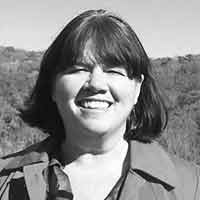
andrea salzman

Andrea Salzman, MS, PT

Andrea Salzman, MS, PT is the Founder and CEO of a new non-profit, the Aquatic Therapy Foundation, Inc. (launched in 2026). She has served as the Executive Director of Aquatic Therapy University (ATU), a global continuing education provider, since 2010. Andrea is a licensed physical therapist with over 30 years of experience educating physical, occupational, and speech therapists in evidence-based aquatic therapy across pediatric, adult, neurologic, orthopedic, and cardiopulmonary populations. Andrea has served as Editor-in-Chief of the Journal of Aquatic Therapy for the American Physical Therapy Association (APTA) and has received numerous industry honors, including the APTA's Judy Cirullo Award, recognizing leadership and contributions to aquatic therapy practice. Her life's work emphasizes translating the therapeutic properties of water into clinically defensible, functionally relevant interventions for all who find themselves standing at the water's edge. Aquatic Therapy University's global clearinghouse of information is located online at: www.aquatictherapyuniversity.com. 


Related Courses

The Salzman Matrix: Combining Cognitive & Motor Tasks with Purpose
Presented by Andrea Salzman, MS, PT
Live WebinarFri, Feb 27, 2026 at 12:00 pm EST
Fri, Feb 27, 2026 at 12:00 pm EST

Presenter

Andrea Salzman, MS, PT
Course: #5381Level: Introductory2 Hours
Cognition and movement are tightly linked in functional activity, yet integrating them in rehabilitation can be challenging. While dual-task training is commonly used, poorly matched cognitive demands can interfere with motor performance and learning. This introductory course introduces the Salzman Matrix, an evidence-aligned clinical reasoning framework designed to guide purposeful cognitive–motor integration while minimizing interference. Participants will learn how to distinguish cognitive processes that support movement from cognitive demands that commonly compete with motor goals, and how to apply this framework to functional treatment planning and documentation across rehabilitation settings.

Using the Bed as a Progressive Resistive Exercise Environment: An OT and PT Primer
Presented by Andrea Salzman, MS, PT
Recorded Webinar

Presenter

Andrea Salzman, MS, PT
Course: #4946Level: Introductory2 Hours
  'Speakers organization, videos, and charts to enhance learning'   Read Reviews
A patient who spends a lot of time in their bed can now be challenged with bed-based exercises and activities that are as challenging as in the gym. PT and OT providers will learn 20+ novel ways to use the bed as a progressive resistive exercise tool.

Reducing Rehospitalization in Congestive Heart Failure Patients: PT and OT Applications
Presented by Andrea Salzman, MS, PT
Recorded Webinar

Presenter

Andrea Salzman, MS, PT
Course: #5089Level: Advanced2 Hours
  'Just really good information'   Read Reviews
This presentation examines strategies used by occupational and physical therapists to decrease readmission rates in patients with congestive heart failure (CHF). The session covers evidence-based interventions, survey findings from practicing therapists, and the collaborative roles of OT and PT in managing CHF. Attendees gain insights into effective practices, patient education techniques, and multidisciplinary approaches to improve patient outcomes and reduce rehospitalization.

Re-Imagining PT and OT Assessments as Targeted Treatment Tools: Adult Applications, Part 1
Presented by Andrea Salzman, MS, PT
Recorded Webinar

Presenter

Andrea Salzman, MS, PT
Course: #5090Level: Advanced2 Hours
  'The instructor was clear in her teaching with practical applications and a tangible teaching style'   Read Reviews
This presentation explores innovative ways to transform common assessment tools into structured and progressive treatment programs for physical and occupational therapy providers. Attendees learn how to utilize various standardized tests to design effective and individualized exercise programs, enhancing patient outcomes. The session covers practical applications of these tools, focusing on integrating assessment results into treatment planning and execution.

Re-Imagining PT and OT Assessments as Targeted Treatment Tools: Adult Applications: Part 2
Presented by Andrea Salzman, MS, PT
Recorded Webinar

Presenter

Andrea Salzman, MS, PT
Course: #5115Level: Advanced2 Hours
  'She has great energy and passion which flows through during her webinar'   Read Reviews
This is Part 2 of a two-part series for therapists who work with adults. This presentation will explore innovative ways to transform common assessment tools into structured and progressive treatment programs for physical and occupational therapy providers. Attendees will learn how to utilize various standardized tests to design effective and individualized exercise programs, enhancing patient outcomes. The session will cover practical applications of these tools, focusing on integrating assessment results into treatment planning and execution.