iPhysicalTherapy.com – Call us: 866-782-6258

Strategies to Prevent Muscle Atrophy After Surgery

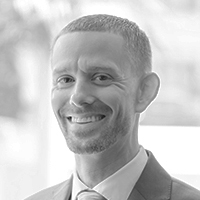
Adam Cady, MHS, ATC, CSCS, PA-C

October 15, 2025

Share:

Question

What are the most effective strategies to prevent muscle atrophy in the perioperative period?

Answer

Muscle atrophy begins as early as two days after immobilization, with quadriceps volume decreasing by approximately 1% per day. By day seven, individuals can lose up to 3.1 pounds of lean body mass, significantly impacting post-surgical recovery. To mitigate muscle loss, enhanced recovery after surgery (ERAS) protocols focus on nutrition, early mobilization, and targeted rehabilitation strategies. Preoperative carbohydrate loading has been shown to reduce insulin resistance and minimize muscle catabolism, while free-form amino acids when taken before and after surgery, support muscle protein synthesis and wound healing.

In addition to nutritional interventions, rehabilitation should begin as early as safely possible. Delayed initiation of post-surgical therapy—often due to systemic barriers—leads to unnecessary muscle loss. Blood flow restriction (BFR) therapy is an effective adjunct to early rehabilitation, especially for individuals unable to fully load their limbs postoperatively. BFR helps maintain muscle volume and strength by creating a metabolic environment similar to high-intensity resistance training without excessive mechanical stress. Additionally, neuromuscular reeducation techniques, including electrical stimulation and open-chain strengthening, can counteract arthrogenic muscle inhibition (AMI), a common neurological deficit following surgery. Implementing a structured recovery plan that integrates these strategies leads to improved functional outcomes and a faster return to activity.

This Ask the Expert is an edited excerpt from the course, "Advances in Recovery: A Muscle-Centric Approach," presented by Adam Cady, MHS, ATC, CSCS, PA-C.


adam cady

Adam Cady, MHS, ATC, CSCS, PA-C

Adam C. Cady holds a Bachelor of Science in Kinesiology/Athletic Training from California State University-Fullerton and a Master of Health Science from Duke University. He is also a sports medicine fellowship program graduate at The Steadman Clinic in Vail, Colorado. He currently works as a Physician Associate at Kaiser Permanente in Los Angeles, California. He also serves as a Captain in the California Air National Guard. He recently completed an Applying Functional Medicine in Clinical Practice certificate from the Institute for Functional Medicine.


Related Courses

Advances in Recovery: A Muscle Centric Approach
Presented by Adam Cady, MHS, ATC, CSCS, PA-C
Recorded Webinar

Presenter

Adam Cady, MHS, ATC, CSCS, PA-C
Course: #5135Level: Advanced1 Hour
  'Excellent presenter'   Read Reviews
This lecture explores current evidence on muscle-centric interventions aimed at optimizing recovery after injury and surgery, including sleep science, peri-operative and peri-injury nutrition, enhanced recovery after surgery (ERAS) protocols, and novel imaging techniques. Attendees will gain strategies to critically appraise the validity of emerging technologies and interventions, ensuring evidence-based integration into clinical practice.

Functional Medicine for the Athlete and Sports Medicine Provider
Presented by Adam Cady, MHS, ATC, CSCS, PA-C
Recorded Webinar

Presenter

Adam Cady, MHS, ATC, CSCS, PA-C
Course: #4326Level: Intermediate1 Hour
  'The content that was learned and ease of understanding'   Read Reviews
This presentation will summarize the evidence of the effects of the following lifestyle interventions (Sleep, Nutrition, Reduction of stress) and their physiologic mechanisms and relationships to athletic performance and health, and tools to effectively implement interventions. This course is directly related to the practice of physical therapy and athletic training and is therefore appropriate for the PT/PTA and AT.

Mindfulness: Beyond Guided Meditation
Presented by Jennifer Stone, PT, DPT, OCS, PHC, TPS, HLC
Recorded Webinar

Presenter

Jennifer Stone, PT, DPT, OCS, PHC, TPS, HLC
Course: #3902Level: Intermediate2 Hours
  'Wonderful interactive course'   Read Reviews
Mindfulness can be a really powerful cognitive-behavioral tool and has many relevant applications when treating patients with pain, especially chronic pain. Many courses for rehabilitation professionals teach guided meditation, which is an amazing tool. However, mindfulness has many other applications and opportunities for use in the treatment of patients with pain. This session discusses the history and science behind mindfulness, as well as provides a variety of practical mindfulness tools for the everyday practitioner. This course is directly related to the practice of physical therapy and is therefore appropriate for the PT/PTA.

Therapeutic Exercise for the Lower Extremity: What the Current Research Says
Presented by Carol Mack, PT, DPT, SCS, CSCS, PN-1
Recorded Webinar

Presenter

Carol Mack, PT, DPT, SCS, CSCS, PN-1
Course: #4696Level: Intermediate2 Hours
  'Applicable content provided to be used in the clinic'   Read Reviews
This course provides an update on current literature regarding strengthening the lower extremity. The most effective exercises for specific muscles, as well as for specific diagnoses, are discussed.

Core Strengthening: What the Current Research Says
Presented by Carol Mack, PT, DPT, SCS, CSCS, PN-1
Recorded Webinar

Presenter

Carol Mack, PT, DPT, SCS, CSCS, PN-1
Course: #4697Level: Introductory2 Hours
  'Im interested in reformer'   Read Reviews
This course provides a review of the anatomy of the core and an update on current literature regarding therapeutic exercise for the core muscles.