iPhysicalTherapy.com – Call us: 866-782-6258

The Role of Sleep in Muscle Recovery and Performance

Adam Cady, MHS, ATC, CSCS, PA-C

September 15, 2025

Share:

Question

How does sleep impact muscle recovery and performance, and what strategies can improve sleep quality?

Answer

Sleep plays a critical role in muscle recovery, with research showing that even a single night of sleep deprivation can decrease muscle protein synthesis by up to 18%. Additionally, poor sleep reduces testosterone levels, increasing the risk of muscle catabolism and anabolic resistance. For individuals recovering from musculoskeletal injury or surgery, inadequate sleep can prolong the healing process and contribute to muscle atrophy. Sleep deficits also negatively impact reaction time, coordination, and cognitive function, which are essential for athletic performance and rehabilitation.

To optimize sleep, individuals should maintain a consistent sleep schedule, go to bed, and wake up at the same time daily to regulate circadian rhythms. Wearable sleep trackers, such as smartwatches and rings, can provide valuable data to monitor sleep patterns and guide behavioral changes. However, care should be taken to avoid sleep-related anxiety associated with tracking devices. Other effective sleep strategies include reducing blue light exposure before bedtime, optimizing bedroom temperature, and incorporating relaxation techniques such as meditation. By prioritizing sleep hygiene, individuals can enhance muscle recovery, improve performance, and reduce re-injury risk.

This Ask the Expert is an edited excerpt from the course, "Advances in Recovery: A Muscle-Centric Approach," presented by Adam Cady, MHS, ATC, CSCS, PA-C.


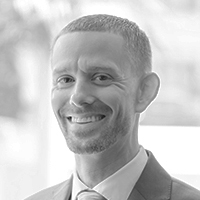
adam cady

Adam Cady, MHS, ATC, CSCS, PA-C

Adam C. Cady holds a Bachelor of Science in Kinesiology/Athletic Training from California State University-Fullerton and a Master of Health Science from Duke University. He is also a sports medicine fellowship program graduate at The Steadman Clinic in Vail, Colorado. He currently works as a Physician Associate at Kaiser Permanente in Los Angeles, California. He also serves as a Captain in the California Air National Guard. He recently completed an Applying Functional Medicine in Clinical Practice certificate from the Institute for Functional Medicine.


Related Courses

Advances in Recovery: A Muscle Centric Approach
Presented by Adam Cady, MHS, ATC, CSCS, PA-C
Recorded Webinar

Presenter

Adam Cady, MHS, ATC, CSCS, PA-C
Course: #5135Level: Advanced1 Hour
  'Excellent presenter'   Read Reviews
This lecture explores current evidence on muscle-centric interventions aimed at optimizing recovery after injury and surgery, including sleep science, peri-operative and peri-injury nutrition, enhanced recovery after surgery (ERAS) protocols, and novel imaging techniques. Attendees will gain strategies to critically appraise the validity of emerging technologies and interventions, ensuring evidence-based integration into clinical practice.

Functional Medicine for the Athlete and Sports Medicine Provider
Presented by Adam Cady, MHS, ATC, CSCS, PA-C
Recorded Webinar

Presenter

Adam Cady, MHS, ATC, CSCS, PA-C
Course: #4326Level: Intermediate1 Hour
  'The content that was learned and ease of understanding'   Read Reviews
This presentation will summarize the evidence of the effects of the following lifestyle interventions (Sleep, Nutrition, Reduction of stress) and their physiologic mechanisms and relationships to athletic performance and health, and tools to effectively implement interventions. This course is directly related to the practice of physical therapy and athletic training and is therefore appropriate for the PT/PTA and AT.

Mindfulness: Beyond Guided Meditation
Presented by Jennifer Stone, PT, DPT, OCS, PHC, TPS, HLC
Recorded Webinar

Presenter

Jennifer Stone, PT, DPT, OCS, PHC, TPS, HLC
Course: #3902Level: Intermediate2 Hours
  'Wonderful interactive course'   Read Reviews
Mindfulness can be a really powerful cognitive-behavioral tool and has many relevant applications when treating patients with pain, especially chronic pain. Many courses for rehabilitation professionals teach guided meditation, which is an amazing tool. However, mindfulness has many other applications and opportunities for use in the treatment of patients with pain. This session discusses the history and science behind mindfulness, as well as provides a variety of practical mindfulness tools for the everyday practitioner. This course is directly related to the practice of physical therapy and is therefore appropriate for the PT/PTA.

Therapeutic Exercise for the Lower Extremity: What the Current Research Says
Presented by Carol Mack, PT, DPT, SCS, CSCS, PN-1
Recorded Webinar

Presenter

Carol Mack, PT, DPT, SCS, CSCS, PN-1
Course: #4696Level: Intermediate2 Hours
  'Applicable content provided to be used in the clinic'   Read Reviews
This course provides an update on current literature regarding strengthening the lower extremity. The most effective exercises for specific muscles, as well as for specific diagnoses, are discussed.

Core Strengthening: What the Current Research Says
Presented by Carol Mack, PT, DPT, SCS, CSCS, PN-1
Recorded Webinar

Presenter

Carol Mack, PT, DPT, SCS, CSCS, PN-1
Course: #4697Level: Introductory2 Hours
  'Im interested in reformer'   Read Reviews
This course provides a review of the anatomy of the core and an update on current literature regarding therapeutic exercise for the core muscles.